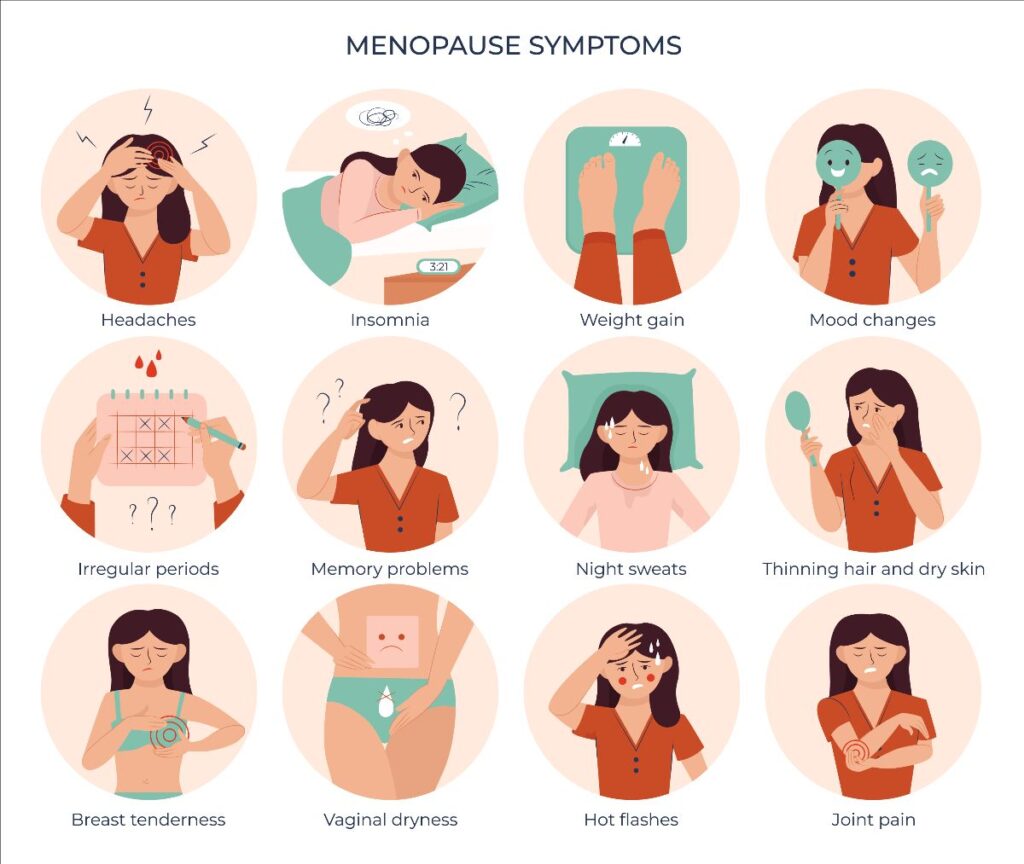
“It’s more than just hot flushes…”
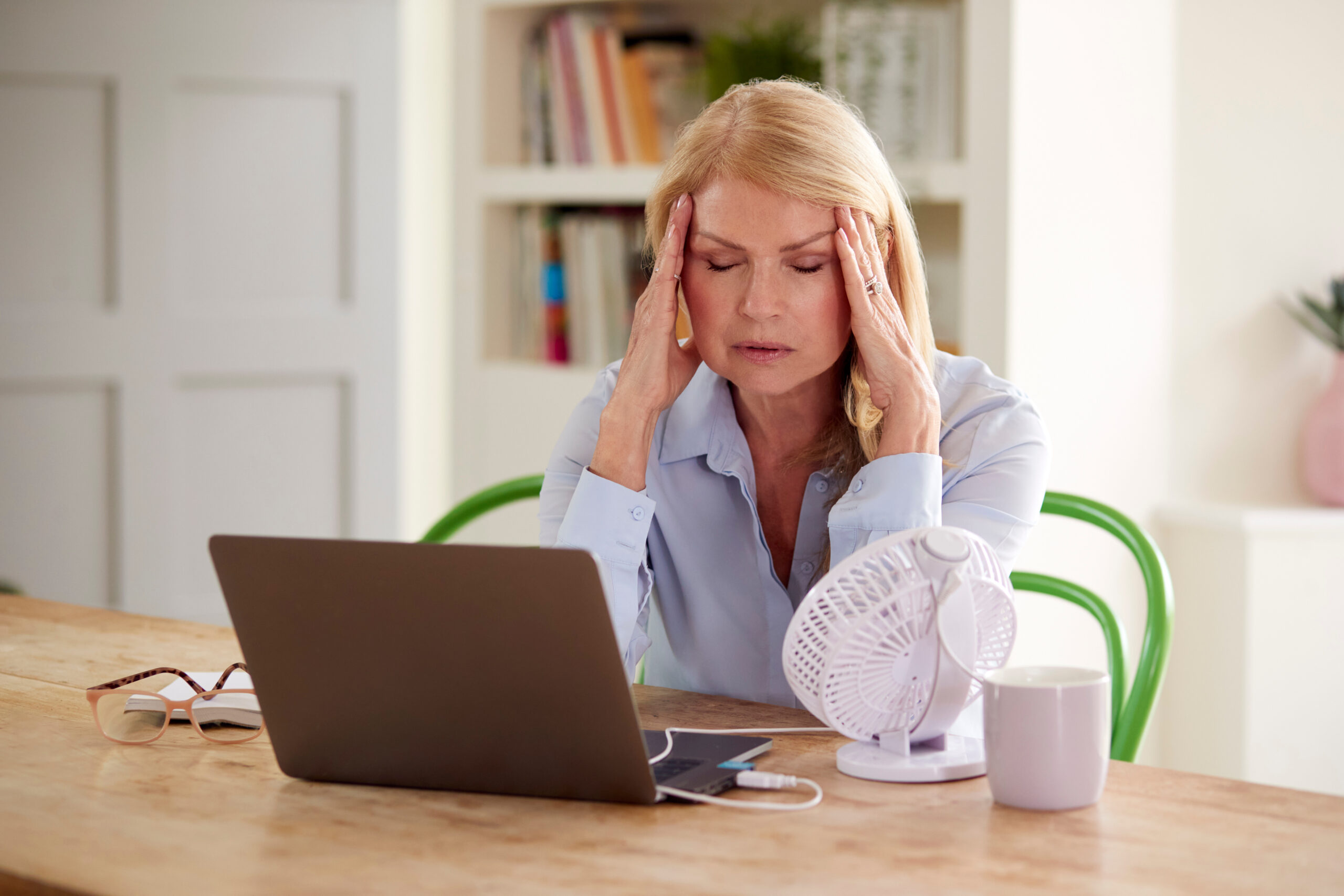
“It’s more than just hot flushes…”
Going through the change during the perimenopause and menopause can be a complex journey marked by a multitude of symptoms It’s more than just hot flushes.. the diverse array of symptoms including irregular cycles, sleep disturbances, physical and emotional changes can mean that each woman may experience this journey differently.

Top Tip: Keep a Symptom Journal or Use a Symptom Tracker.
Tracking your symptoms, including the type, frequency, and severity and note any changes in your menstrual cycle, such as irregular periods or missed periods. This can provide valuable information to your doctor during your consultation.
Changes in your periods
One of the hallmark signs of perimenopause is changes in your menstrual cycle. You may experience irregular periods, including shorter or longer cycles, heavier or lighter flow, or skipped periods.
Hot flushes and night sweats
Many experience hot flushes (or flashes) where you have sudden sensations of heat that can lead to flushing and sweating. This can occur day or night. Night sweats are hot flushes that occur during sleep, often leading to waking up drenched in sweat.
Sleep disturbances
Insomnia or disrupted sleep patterns can become more common during this time. Night sweats also do not help.
Brain fog
Some women report issues with memory and concentration during perimenopause, often referred to as “brain fog.”
Anxiety and mood changes
Hormonal fluctuations can lead to mood swings, irritability, and increased emotional sensitivity.
Palpitations
Hormonal changes, particularly the decrease in estrogen levels, can impact the cardiovascular system and lead to palpitations. Hot flushes and anxiety can also contribute to palpitations.
Aches and joint pains
Perimenopause can impact bone density, making it important to monitor bone health and consider calcium and vitamin D supplementation.
Vaginal changes
You may notice changes in your vaginal health, such as dryness, itching, or discomfort during intercourse.
Decreased sexual desire
Some women experience changes in their sexual desire and response during perimenopause.
Recurrent UTIS (urinary tract infections)
Some women may experience more UTIs. Lower estrogen levels may lead to changes in the urinary system’s lining, dryness and changes in the vaginal microbiome – making it more vulnerable to infection.
Weight changes
It can become more challenging to manage your weight during this phase.
Hair and skin changes
You might notice changes in hair texture and skin elasticity.
Breast tenderness
Some women experience breast tenderness. Any persistent tenderness or breast changes should be promptly assessed by your doctor.
Looking through the array of symptoms it is clear to understand why sometimes symptoms associated with perimenopause or menopause can mimic or overlap with other medical conditions.
This can make it challenging or confusing to interpret sometimes. Hence, it’s a good idea to consult with your doctor. They can help rule out other potential causes of your symptoms. In some cases, they may organise blood tests to check hormone levels to confirm whether you are indeed in perimenopause or if there are other underlying factors contributing to your symptoms.
To find out more about booking your GP consultation or a Menopause profile blood test, email or call with your questions – we can help.